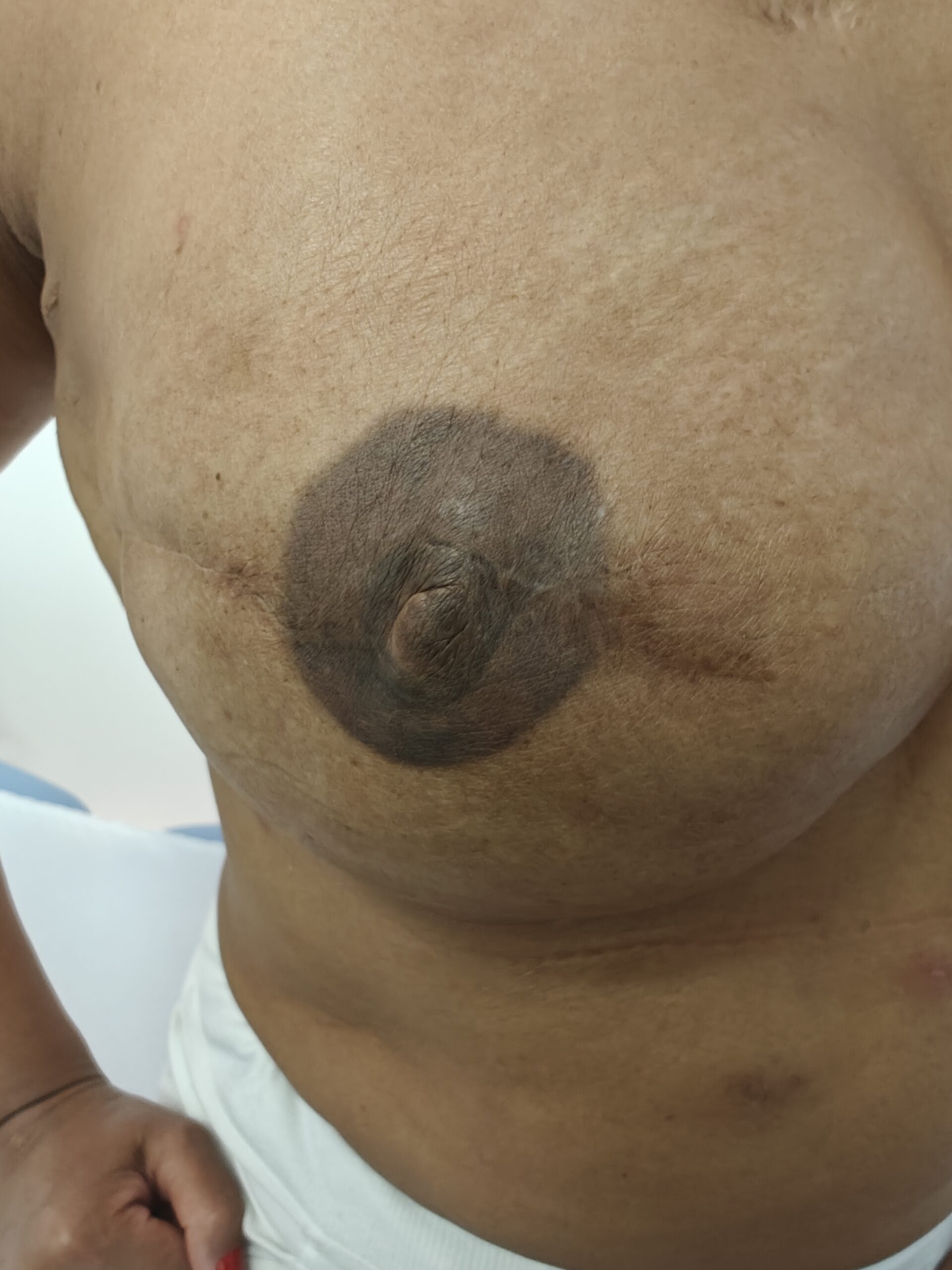
Nipple Reconstruction: Procedure, Techniques & Natural Results
Nipple reconstruction is a surgical procedure designed to restore the appearance of the nipple and areola, most commonly after mastectomy or breast reconstruction. It is the final step in the breast reconstruction journey, helping to achieve a more natural and complete breast appearance.
What Is Nipple Reconstruction?
Nipple reconstruction surgery involves creating a new nipple using the patient’s own tissue, followed by techniques to restore the areola (the pigmented area around the nipple).
This procedure can significantly improve:
- Breast symmetry
- Aesthetic outcome
- Patient confidence and body image
Who Is a Candidate?
Nipple reconstruction is suitable for patients who:
- Have undergone mastectomy or breast reconstruction
- Have completed the healing process from prior surgeries
- Desire a more natural breast appearance
- Are in good overall health
It is usually performed 3–6 months after breast reconstruction, once the breast shape has stabilized.
Techniques Used in Nipple Reconstruction
There are several techniques depending on the patient’s anatomy and goals:
Local Tissue Flap
- The most common method
- Uses skin from the reconstructed breast
- Creates a projecting nipple
Skin Grafting
- Tissue may be taken from another area (e.g., thigh)
- Used to reconstruct the areola
Medical Tattooing (Micropigmentation)
- Adds color and detail
- Can be used alone or after surgery
- Creates a realistic 3D effect
The Procedure
Nipple reconstruction is typically:
- Performed under local anesthesia
- Completed in about 30–60 minutes
- Done as an outpatient procedure
The surgeon carefully shapes and positions the new nipple to match the opposite breast (if present).
Recovery and Aftercare
Recovery is usually quick and straightforward:
- Mild swelling and tenderness for a few days
- Protective dressing over the nipple
- Return to normal activities within a few days
Patients are advised to:
- Avoid pressure on the area
- Keep the site clean and dry
- Follow all post-operative instructions
Results and Expectations
- The reconstructed nipple initially appears more prominent
- Some flattening may occur over time
- Final results are typically visible within a few weeks
Tattooing may be performed later to enhance color and realism.
Risks and Complications
Nipple reconstruction is generally safe, but potential risks include:
- Infection
- Poor wound healing
- Loss of projection over time
- Asymmetry
These risks are uncommon and can be minimized with proper technique and care.
Psychological and Emotional Benefits
For many patients, nipple reconstruction is more than a cosmetic procedure. It provides:
- A sense of completion after breast reconstruction
- Improved self-image
- Greater confidence in clothing and daily life
Conclusion
Nipple reconstruction is a safe and effective procedure that restores the final aesthetic detail of the breast. With modern techniques, patients can achieve natural-looking and satisfying results, completing their breast reconstruction journey.
#breastcancerawareness #breastcancer #breastimplants #breastreconstruction