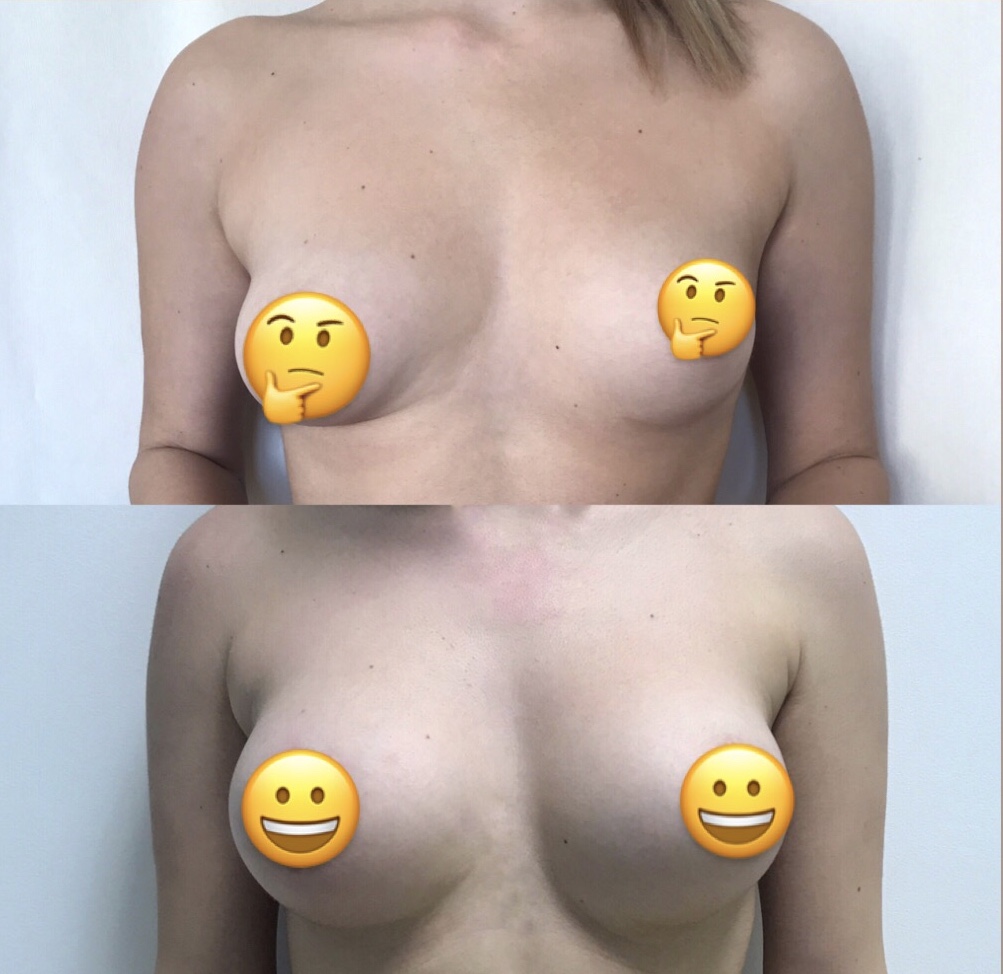
Tuberous asymmetric breasts are a congenital breast condition characterized by abnormal breast development combined with noticeable asymmetry. This condition affects both the shape and size of the breasts and often requires specialized surgical correction to achieve a natural and balanced result.
What Are Tuberous Breasts?
Tuberous breasts (also known as tubular breasts) develop due to a constriction of the breast base during puberty. This leads to:
- Narrow breast base
- Constricted lower pole
- Enlarged or puffy areola
- High inframammary fold
- Lack of normal breast expansion
When combined with asymmetry, one breast may appear significantly different in size or shape compared to the other.
Causes of Tuberous Asymmetry
This condition is congenital, meaning it develops during breast formation in adolescence.
It is caused by:
- Abnormal connective tissue structure
- Restricted breast tissue expansion
- Uneven development between the two breasts
Degrees of Tuberous Breast Deformity
Tuberous breasts can vary in severity:
- Mild: Slight constriction and asymmetry
- Moderate: Noticeable shape abnormality and volume difference
- Severe: Significant deformity with marked asymmetry
Each case requires an individualized approach.
Who Is a Candidate for Correction?
You may be a suitable candidate if you:
- Have tubular or constricted breast shape
- Notice significant asymmetry
- Feel self-conscious about breast appearance
- Are in good overall health
- Desire a natural and balanced result
Surgical Correction of Tuberous Asymmetric Breasts
Correction is highly specialized and often involves a combination of techniques:
1. Tissue Release
- Expands the constricted breast base
- Allows natural reshaping
2. Breast Augmentation
- Implants restore volume and symmetry
- Different implant sizes may be used
3. Areola Reduction
- Reduces enlarged or herniated areola
- Improves proportion
4. Breast Lift (if needed)
- Corrects position and symmetry
Surgical Approach
The procedure is performed under general anesthesia and tailored to each patient.
The surgeon:
- Releases tight tissue
- Reshapes the breast
- Places implants if required
- Adjusts nipple-areola complex
- Balances both breasts for symmetry
Recovery
- Return to daily activities: 5–7 days
- Return to work: about 1 week
- Exercise: after 4–6 weeks
Swelling and asymmetry improve gradually over time.
Results
- Improved breast shape and contour
- Better symmetry between breasts
- More natural and proportional appearance
- Long-lasting aesthetic outcome
Risks and Considerations
As with any breast surgery:
- Infection
- Scarring
- Implant-related complications
- Residual asymmetry
Choosing an experienced surgeon is essential for optimal results.
Conclusion
Tuberous asymmetric breasts require a refined and customized surgical approach. With modern techniques and careful planning, it is possible to achieve a natural, harmonious, and aesthetically pleasing result that enhances both confidence and body image.