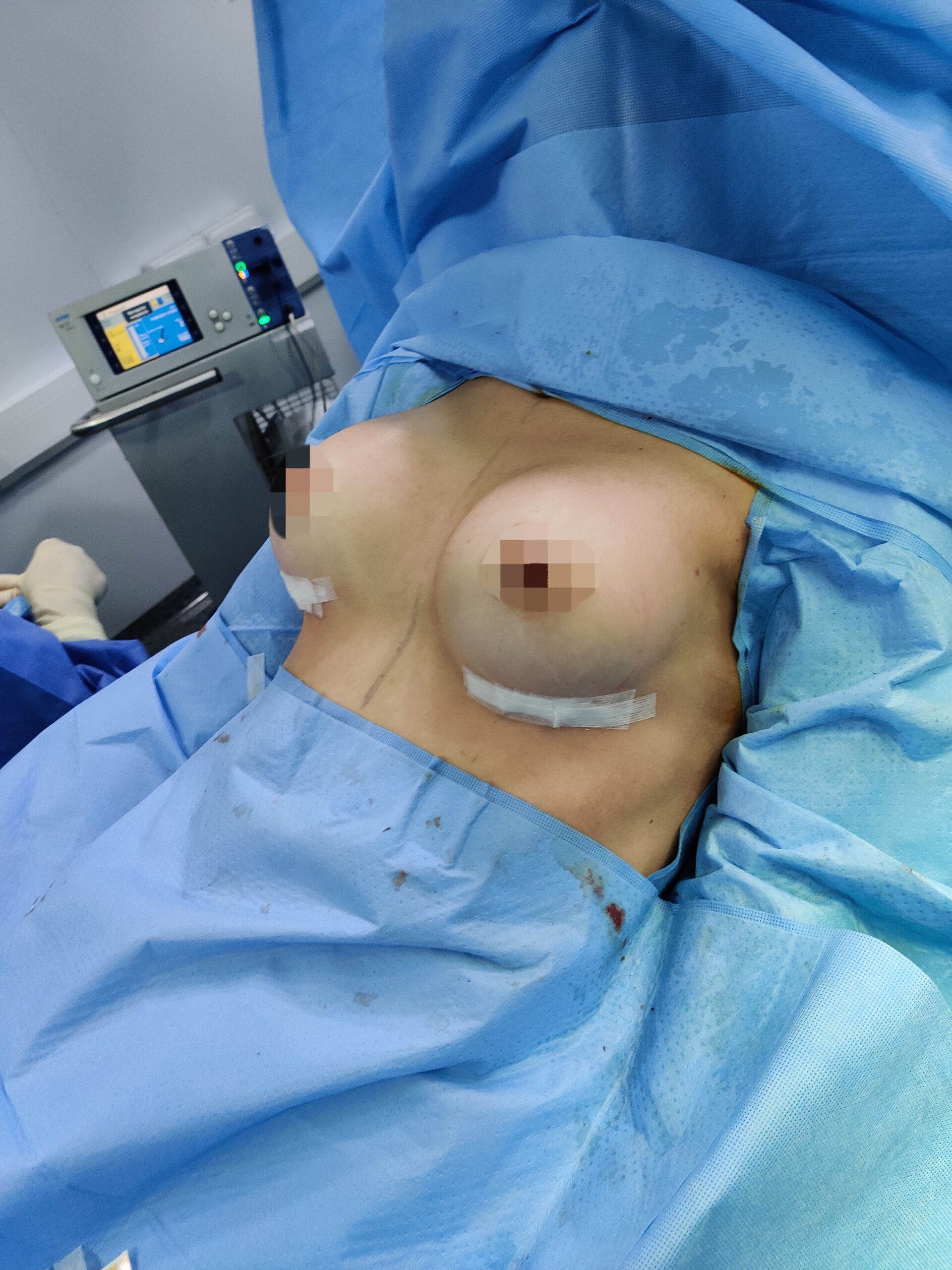
Breast Augmentation Safety: What You Need to Know
Breast augmentation is one of the most commonly performed cosmetic procedures worldwide. When carried out by a qualified and experienced plastic surgeon, it is considered a safe and reliable procedure. However, like any surgery, it is important to understand the safety aspects, potential risks, and how to minimize them.
Is Breast Augmentation Safe?
Yes, breast augmentation is generally safe, especially when:
- Performed by a board-certified plastic surgeon
- Done in an accredited medical facility
- Using high-quality, approved implants
Modern techniques and advanced implant technology have significantly improved both safety and outcomes.
Types of Implants and Safety
The two most common types of implants are:
Silicone Implants
- Filled with cohesive silicone gel
- Feel more natural
- Widely used and approved
Saline Implants
- Filled with sterile salt water
- Absorbed safely by the body if rupture occurs
Both types are considered safe when used appropriately.
Common Risks and Complications
Although uncommon, potential risks include:
- Infection
- Bleeding (hematoma)
- Implant rupture or leakage
- Capsular contracture (hardening around the implant)
- Changes in nipple sensation
- Implant displacement or asymmetry
Most complications are rare and manageable when detected early.
What Is Capsular Contracture?
Capsular contracture is one of the most discussed complications. It occurs when scar tissue around the implant tightens, causing:
- Firmness
- Distortion
- Discomfort
Modern surgical techniques and proper implant placement (such as dual plane) help reduce this risk.
Long-Term Safety
Breast implants are not lifetime devices, but they are designed to be long-lasting.
Key points:
- Many implants last 10–20 years or more
- Regular follow-up is recommended
- MRI or ultrasound may be advised for silicone implants
Patients should be aware that revision surgery may be needed in the future.
BIA-ALCL: A Rare Condition
Breast Implant-Associated Anaplastic Large Cell Lymphoma (BIA-ALCL) is a rare condition linked mainly to certain textured implants.
- Extremely low incidence
- Treatable when detected early
- Modern implant choices have reduced this risk significantly
How to Maximize Safety
To ensure the safest experience:
- ✔ Choose a qualified, experienced plastic surgeon
- ✔ Follow all pre- and post-operative instructions
- ✔ Avoid smoking before and after surgery
- ✔ Attend all follow-up appointments
- ✔ Report any unusual symptoms early
Who Is a Good Candidate?
Safe candidates for breast augmentation are:
- In good general health
- Non-smokers or willing to stop
- With realistic expectations
- Fully informed about risks and benefits
Recovery and Safety
Post-operative care plays a major role in safety:
- Wear a support bra as advised
- Avoid strenuous activity for several weeks
- Take prescribed medications
- Allow proper healing time
Conclusion
Breast augmentation is a safe and effective procedure when performed under the right conditions. Understanding the risks, choosing the right surgeon, and following proper aftercare are key to achieving both safe and beautiful results.
#cosmeticsurgery #breastaugmentation #breastimplants #plasticsurgeon #breastimplants